Create a consistently green, durable, and lower-maintenance outdoor space with synthetic turf designed around the way you use your property.
Hedahl Landscape, Deck & Patio provides synthetic lawn installation, pet turf, dog runs, putting greens, turf-and-garden combinations, replacement, drainage preparation, and related artificial grass services throughout the Silverdale area and surrounding Washington communities.
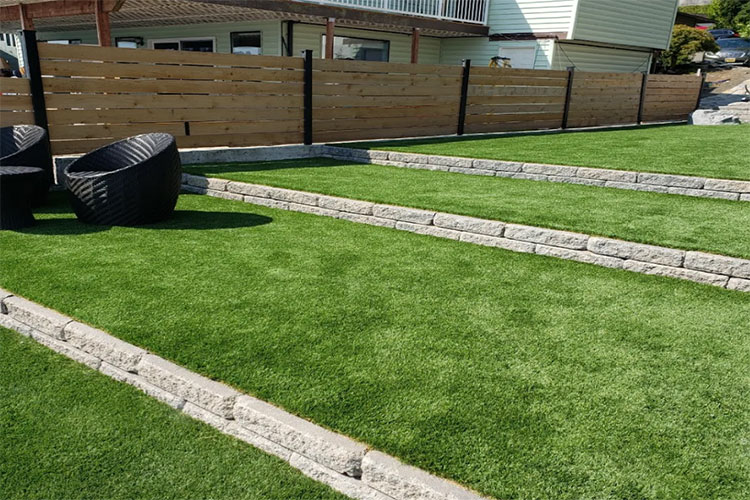
Synthetic turf can be used for much more than replacing a traditional lawn. Different turf products, drainage systems, infill materials, layouts, and installation techniques can be combined to create outdoor spaces for families, pets, recreation, entertaining, and low-maintenance landscape design.
Artificial lawn turf provides a consistently green surface without the mowing, reseeding, routine watering, or muddy patches associated with traditional grass.
Hedahl Landscape can design synthetic lawn areas around patios, walkways, planting beds, landscape borders, and other existing outdoor features.
Synthetic turf can create a durable outdoor area for dogs while helping reduce mud, worn lawn areas, and repeated damage caused by heavy pet activity.
Proper drainage, turf selection, infill, and routine cleaning are especially important when designing a surface intended for regular pet use.
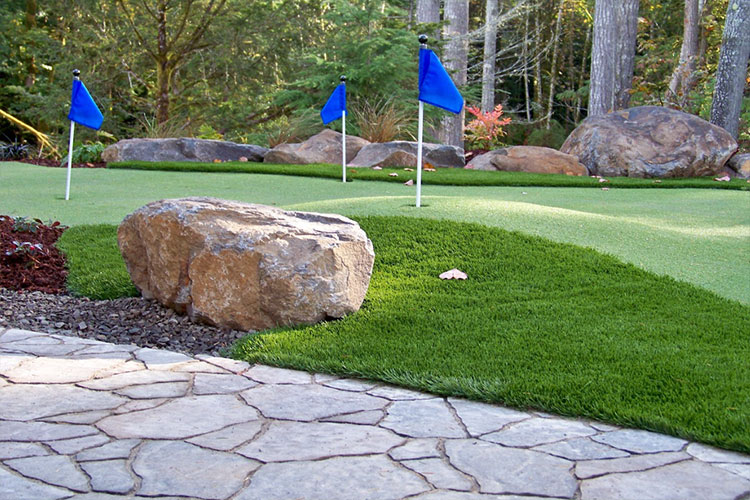
A custom synthetic putting green can add recreation and visual interest to a backyard while making use of areas that might otherwise be difficult to landscape.
The size, shape, contours, surrounding materials, cup placement, and transitions can all be planned around the available property.
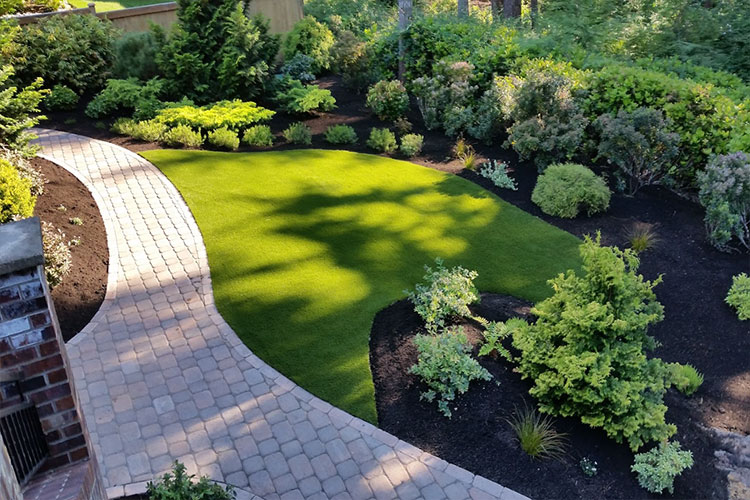
Synthetic turf can be incorporated into a complete landscape instead of functioning as a standalone surface.
Turf areas can be combined with planting beds, pavers, patios, pathways, retaining walls, decorative rock, landscape borders, and other outdoor living features.
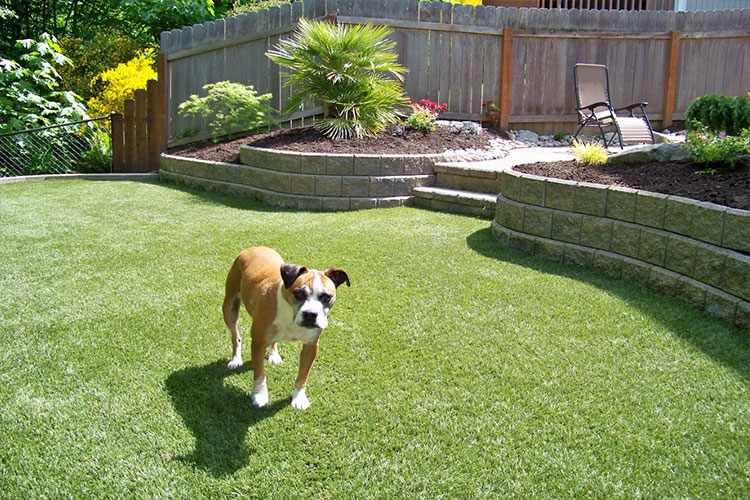
The best turf projects are planned around the entire outdoor environment. The location of patios, decks, planting beds, pathways, retaining walls, drainage areas, and gathering spaces can influence the shape and layout of the synthetic turf.
Because Hedahl Landscape, Deck & Patio also works with landscapes, hardscapes, pavers, retaining walls, decks, and patios, we can approach synthetic turf as one component of a larger outdoor living design.
That can help create cleaner transitions between materials and make the finished landscape feel intentional rather than pieced together.
We discuss how the area will be used, the desired appearance, existing site conditions, pets, traffic, and surrounding landscape features.
Existing lawn or unsuitable material is removed as needed, and the area is evaluated for grading, elevation, edges, and drainage.
A properly prepared and compacted base helps create stability while supporting drainage beneath the finished synthetic turf.
The turf is positioned, trimmed, secured, seamed, infilled, groomed, and finished for a clean and durable outdoor surface.
Synthetic turf eliminates routine mowing and significantly reduces many of the watering, reseeding, fertilizing, and lawn repair tasks associated with natural grass.
Artificial turf provides a consistently green surface without seasonal dormancy, worn patches, or muddy areas caused by frequent use.
Turf can be designed for lawns, children, pets, putting greens, entertainment areas, difficult landscape spaces, or mixed landscape designs.
Modern synthetic turf is more than artificial grass placed over the ground. The finished system typically includes synthetic fibers attached to a durable backing, a prepared aggregate base, secure edges and seams, and infill selected according to the intended application.
Each part contributes to the appearance and performance of the completed surface. The turf fibers provide the visible grass-like finish, while the backing gives the material structure. Infill can help support the blades, provide stability, and influence the feel of the surface.
Beneath the turf, proper base preparation is especially important. A stable, appropriately graded base helps the surface remain even while supporting drainage.
Drainage is one of the most important technical considerations for synthetic turf, particularly in Western Washington where properties regularly experience rainfall and prolonged moisture.
Turf itself is designed to allow water to move through the surface, but that water still needs somewhere to go. Poor grading or an improperly prepared base can contribute to low spots, standing water, movement, or uneven areas.
The existing property conditions, slope, surrounding materials, soil, and drainage patterns should therefore be considered before the turf is installed.
Not every synthetic turf project begins with bare ground. Older turf may eventually need replacement because of wear, drainage problems, changing landscape plans, damaged areas, or declining appearance.
Replacing existing turf also provides an opportunity to evaluate the underlying base, grading, drainage, edges, and surrounding landscape before a new surface is installed.
Depending on the condition of the existing installation, isolated areas may also benefit from seam adjustments, edge corrections, infill redistribution, or other targeted work.
Synthetic turf can be an especially practical option for households with dogs. Natural lawn areas often struggle under repeated pet traffic, especially during wet weather when grass becomes muddy or thin.
Pet turf applications should be designed around drainage and cleaning. Waste should still be removed regularly, and the surface may need periodic rinsing or appropriate cleaning depending on use.
A properly designed dog run or pet area can provide a durable outdoor surface while helping reduce mud tracked into the home and the repeated lawn repairs associated with heavily used natural grass.
Synthetic turf is low maintenance, but it is not completely maintenance-free. Occasional care can help preserve its appearance and performance.
Leaves and other debris should be removed as needed. High-traffic areas may benefit from periodic brushing to help lift the turf fibers and redistribute infill.
Pet areas should be cleaned appropriately, and homeowners should periodically observe edges, seams, drainage areas, and heavily used sections for signs that adjustments may be needed.
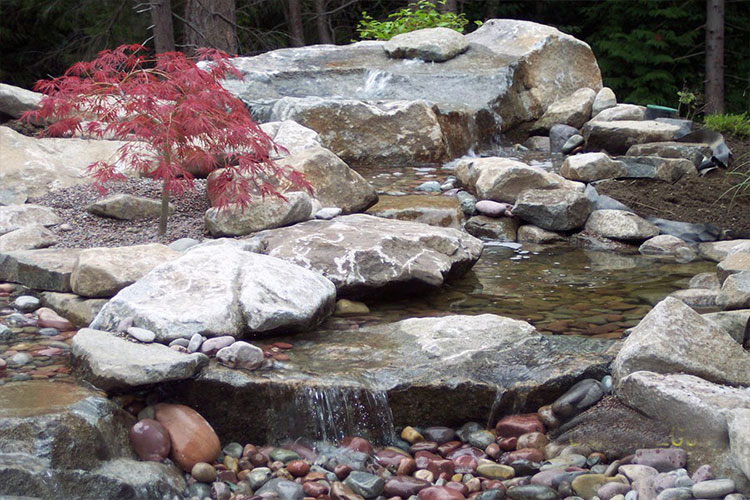
Synthetic turf remains green without routine lawn irrigation, making it an option for property owners interested in reducing the amount of water dedicated to maintaining grass.
Appropriate synthetic turf products can tolerate regular foot traffic, pets, recreation, and outdoor activities while maintaining a consistent appearance.
Properly installed turf can help eliminate muddy lawn areas and worn paths created by pets, children, frequent foot traffic, or difficult growing conditions.
Synthetic turf project costs vary because every property has different dimensions, site conditions, landscape features, and intended uses.
The total area being covered affects the amount of turf, aggregate, infill, edging, and labor required. Turf products also vary in density, pile height, appearance, softness, drainage characteristics, and intended application.
Existing site conditions can have an equally important effect on cost. Removing old lawn or turf, correcting grades, improving drainage, working around roots, creating curves, installing putting greens, and building detailed transitions can all affect the scope of the project.
A professional estimate allows the property, materials, installation requirements, and intended use to be evaluated together instead of relying on a generic square-foot price.
Many of the most important parts of synthetic turf installation are hidden once the project is complete.
Excavation depth, grading, compaction, base materials, drainage, seam placement, edge restraint, turf direction, fastening, infill, and finishing all influence how the surface looks and performs.
Hedahl Landscape, Deck & Patio brings synthetic turf together with broader landscape and outdoor living experience, allowing the finished surface to work naturally with the rest of the property.
Whether you are planning an artificial lawn, dog run, pet-friendly yard, backyard putting green, turf replacement, or complete turf-and-landscape transformation, Hedahl Landscape, Deck & Patio can help create an outdoor space designed for long-term use and enjoyment.
Contact Us TodayHave questions about artificial lawns, pet turf, putting greens, drainage, installation, replacement, maintenance, or long-term performance? Explore answers to common questions about synthetic turf services from Hedahl Landscape, Deck & Patio.
Synthetic turf can be used for residential lawns, pet areas, dog runs, backyard putting greens, recreation areas, landscape accents, and turf-and-garden combinations. Existing turf may also be replaced or renovated depending on its condition.
Synthetic turf can work well in Western Washington when the site is properly prepared. Drainage is especially important because regular rainfall needs to move through and away from the turf rather than collecting beneath the surface.
Yes. Base preparation is one of the most important parts of synthetic turf installation. Proper excavation, grading, aggregate placement, and compaction help create a stable surface while supporting drainage and reducing the likelihood of soft or uneven areas.
Synthetic turf can be a practical option for dogs because it provides a durable surface while reducing mud and worn grass areas. Pet applications should include proper drainage and should be cleaned and rinsed appropriately during routine use.
Yes, although it generally requires much less routine maintenance than natural grass. Debris removal, occasional brushing, rinsing, pet-area cleaning, and periodic observation of edges, seams, and drainage areas can help keep the surface performing well.
There is no single lifespan for every turf installation. Longevity depends on the quality and type of turf, installation, traffic, pets, sun exposure, maintenance, drainage conditions, and the intended application.
Yes. Existing synthetic turf can be removed and replaced. Replacement also provides an opportunity to inspect the underlying base, grading, drainage, seams, edges, and surrounding landscape before the new turf is installed.
Absolutely. Artificial turf can be integrated with natural planting beds, pavers, pathways, patios, retaining walls, landscape borders, decorative rock, decks, and other outdoor living features.
Drainage issues may result from improper grading, inadequate base preparation, compacted or unsuitable materials, low areas, blocked drainage routes, or other property conditions that prevent water from moving away effectively.
Cost depends on the size and shape of the area, turf product, existing site conditions, demolition, excavation, base preparation, drainage needs, infill, edging, accessibility, and overall design complexity. A site-specific estimate provides a more meaningful budget than a generic square-foot figure.
Whether you are considering a new artificial lawn, pet-friendly turf, custom putting green, turf replacement, or a complete outdoor living upgrade, Hedahl Landscape, Deck & Patio can help plan a synthetic turf solution around your property and goals.
Schedule a Consultation
With our EcoPRO certification, you're not just receiving a quote for services, but a promise for sustainable practices that respect our planet and your home. Every project, big or small, is approached with the best sustainable landscape management practices.